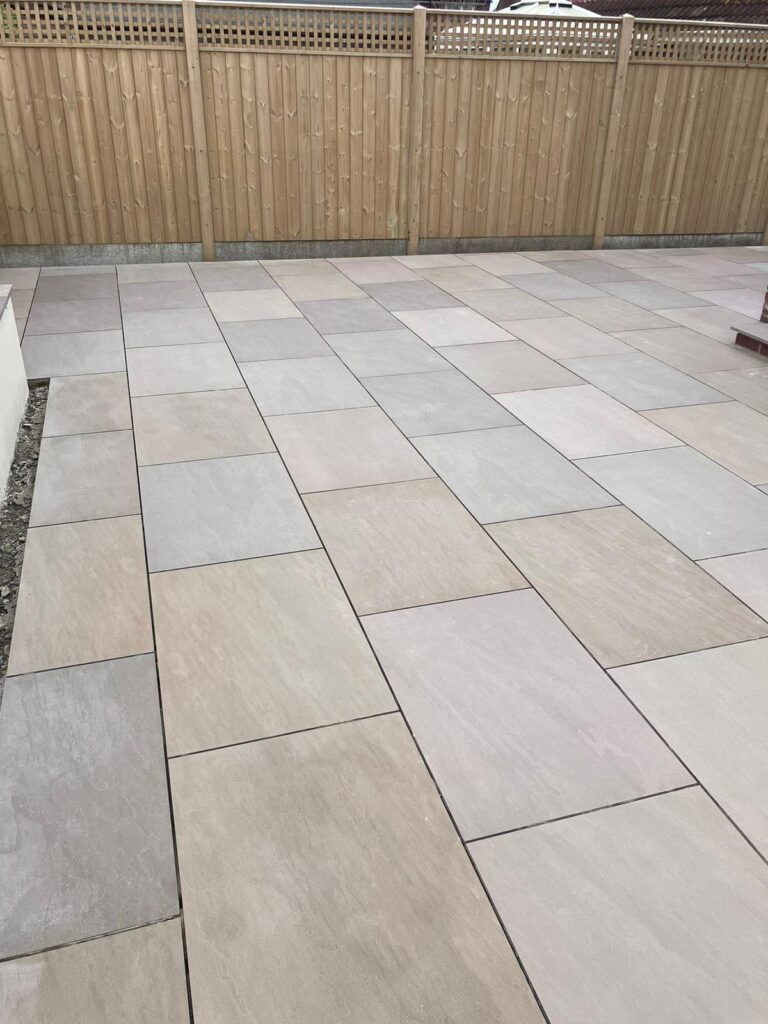
Sandstone Paving UK: A Practical Guide for Patios, Paths and Driveways
Choosing the right paving is one of the biggest decisions you’ll make when transforming an outdoor space. It affects how your garden looks, how it feels underfoot, and how well it stands up to the British weather. Sandstone Paving UK is popular for good reason: it offers natural character, versatile colours, and a timeless finish that suits everything from modern patios to traditional cottage gardens. At UK Stone Imports, we’ve been supplying quality stone since 2007 from our base in Hersden, Canterbury, Kent, with a wide selection of natural stone imported from around the world.
Sandstone Paving UK: Why it works so well outdoors
Sandstone is a natural sedimentary stone made up of sand-sized mineral particles, which gives it distinctive grain patterns and textures. That natural variation is exactly what many homeowners and landscapers love, because no two projects look identical.
Sandstone Paving UK is also a practical choice. It is durable and long-lasting, suitable for outdoor living areas that see regular use, including seating spaces, walkways and entertaining zones. Many people choose sandstone because it balances performance with warmth, creating an inviting surface that looks at home alongside planting, timber features, lawn edges and brickwork.
Because sandstone is relatively easy to cut and shape, it works well for both simple layouts and more detailed design ideas. Whether you want clean lines for a contemporary patio or a more rustic finish with mixed tones, sandstone offers flexibility without losing its natural charm.
Sandstone Paving UK colours, tones and finishes
One of the biggest advantages of sandstone is choice. It’s available in a range of colours, commonly including warm browns, soft greys and golden tones. These shades make it easier to match paving to the style of your home, your garden furniture, and your overall landscape design.
If your aim is a bright, open-feel patio, lighter tones can lift the space and pair well with modern planting schemes. If you want something more traditional, warmer hues can add a classic, established look. Greys are a popular middle ground, especially for gardens that mix contemporary features with natural textures.
When selecting your stone, think about how your space is used. Do you want a uniform look, or do you prefer natural movement in the colouring? Consider also how the paving will sit with other elements such as steps, edging, borders and pathways. Many customers combine sandstone with complementary products such as setts to define boundaries, create contrast, or add a heritage-style detail around lawns and beds.
A helpful way to make a confident decision is to see the material in person. Samples are a big part of what we do at UK Stone Imports, because touching and viewing the stone in real light makes choosing colour and finish far easier.
Sandstone Paving UK installation basics for a long-lasting result
Great paving starts with good preparation. While professional installation is often recommended, it’s still useful to understand the basics so you know what a quality job looks like.
Start with a stable sub-base. This is key for preventing movement, dips and standing water. Good drainage is essential in the UK, especially through autumn and winter. Your installer should ensure the finished surface has an appropriate fall so water runs away from the property and does not pool.
Next comes the bedding layer and the laying process. The goal is consistent support beneath each slab to reduce rocking and prevent future cracking. Spacing and alignment matter too, particularly if you’re aiming for a clean, modern look with straight lines.
The jointing stage is what completes the surface and helps lock everything in place. Weather-resistant jointing is important for reducing weed growth and long-term maintenance. Many homeowners now choose higher-performance jointing products that are designed to cope with regular rainfall and seasonal temperature changes, keeping joints more stable over time.
If you’re planning a full outdoor makeover, consider the wider layout as well. Paths, steps, edging and patio zones can all be built from complementary materials to create a cohesive design rather than a single paved rectangle.
Keeping sandstone looking its best in British weather
Natural stone is made for outdoor life, but it still benefits from the right care. Regular sweeping and occasional washing will help prevent organic build-up, especially in shaded areas where moss can take hold.
For many households, simple maintenance is enough. The key is to treat issues early, rather than letting stains or debris build up over time. If you entertain regularly or have trees overhanging the patio, you may need a slightly more frequent clean during certain seasons.
Sealing is a common question with natural stone. Some people prefer the stone to weather naturally, while others want extra protection from staining. The best approach depends on how you use the space and the look you want to maintain. If you are unsure, it’s worth discussing options before installation so you can plan the right aftercare for your chosen stone.
If you’re designing an area that needs extra definition, sandstone can also be paired with setts for edging or feature lines, which can help keep planted areas tidy and make cleaning easier by creating clear boundaries.
Why choose UK Stone Imports for Sandstone Paving UK?
When you’re investing in natural stone, quality and consistency matter. At UK Stone Imports, our reputation is built on supplying the finest materials and delivering a personalised, professional customer service experience. With a wide range of Porcelain, Sandstone, Limestone and more, we help customers find the right finish for every type of project, whether it’s a small garden path or a full outdoor renovation.
We also offer samples so you can touch and feel the quality before you buy, making it easier to choose with confidence. To explore our range or discuss your project, get in touch with our team in Hersden, Canterbury, Kent. If you already have a design in mind, viewing inspiration in a gallery of completed projects can also help you narrow down colours, patterns and layout ideas.
FAQs about sandstone paving
How long does sandstone paving last?
With a solid base, correct installation and basic maintenance, sandstone paving can last for many years and remain a strong, attractive surface.
Is sandstone suitable for driveways?
It can be, depending on the stone thickness, sub-base, and expected vehicle use. For heavier loads, it’s important to select the right specification and ensure professional installation.
Can I mix sandstone with other paving styles?
Yes. Many projects combine sandstone with setts for edging and borders, or include features such as circles and steps to create a more distinctive design.
If you’d like help choosing the right Sandstone Paving UK for your project, UK Stone Imports can provide samples and advice to suit your space, style and budget.