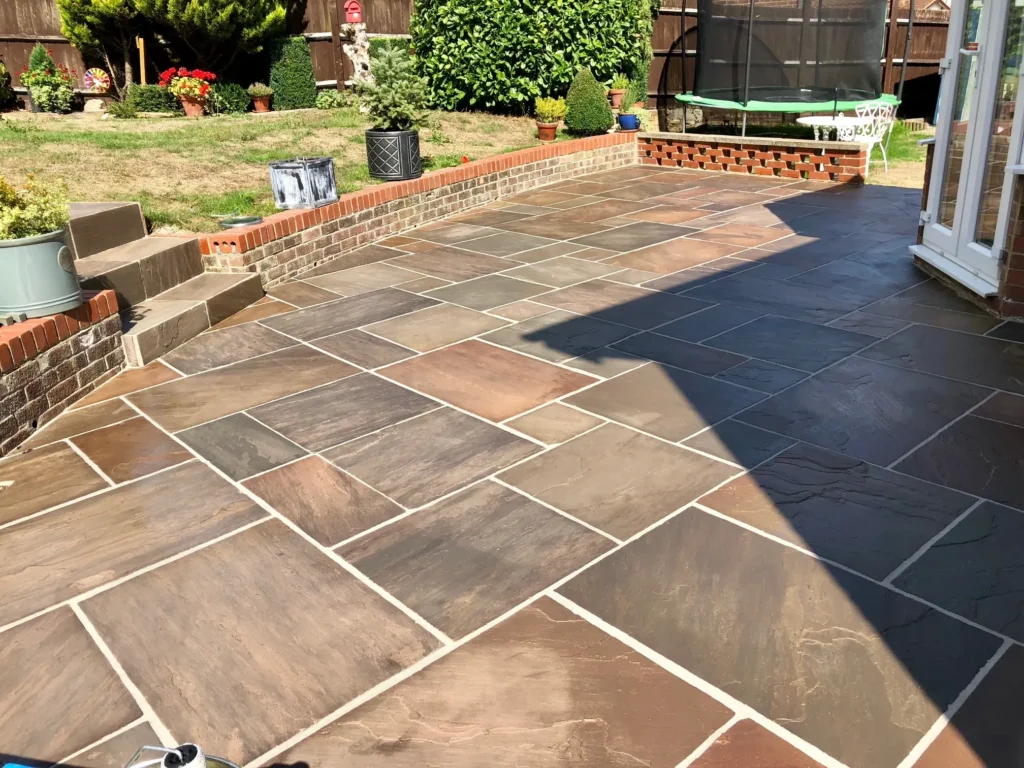
If you are planning a new patio, pathway, driveway or garden feature, understanding How to choose your paving slabs can make the whole project feel much simpler. The right slabs should suit your home, match the way you use your outdoor space, and stand up to daily wear. UK Stone Imports Ltd, based in Hersden, Canterbury, Kent, supplies a wide selection of porcelain and natural stone paving to help customers create long-lasting outdoor areas with the right look and feel.
How to choose your paving slabs by material
The first decision is usually the material. Porcelain, sandstone, limestone and slate all offer different benefits, so it helps to think about how the space will be used. A busy family patio may need something low maintenance and stain resistant, while a traditional garden may suit the softer, natural character of sandstone or limestone.
Porcelain paving is a popular choice for modern gardens because it is durable, easy to clean and available in a wide range of finishes. It can imitate natural stone or wood while offering low water absorption, resistance to staining and good performance in changing weather. This makes it suitable for patios, pathways and outdoor dining areas where regular use is expected.
Sandstone is a natural stone with individual grain patterns and warm colour variations. It works well for patios, garden paths and relaxed seating areas where a more traditional or rustic finish is preferred. Limestone offers a classic, smooth appearance and can be a strong choice for both exterior and interior projects, while slate adds a darker, textured look that suits striking garden designs.
Think about how the space will be used
A paving choice should start with everyday use. For a main patio, consider furniture, barbecues, planters, children’s play areas and foot traffic. For pathways, think about grip, width and how the route connects different areas of the garden. For driveways, the slabs or setts must be suitable for the load and installed correctly on the right base.
If you want a clean, contemporary area that needs minimal care, porcelain may be the most practical option. If you prefer natural variation, character and a softer garden feel, sandstone or limestone may be better suited. For decorative details, setts and circles can help define edges, create borders or add a focal point around a seating area, fire pit or central garden feature.
How to choose your paving slabs for colour and finish
Colour has a major effect on the final appearance of your garden. Light paving can make smaller spaces feel brighter and more open, while darker tones can create contrast against planting, rendered walls or timber features. Warm beige, buff and brown shades often suit traditional homes, while greys and cooler tones are popular for modern outdoor spaces.
Texture is just as important as colour. A smooth finish can look smart and refined, but outdoor paving also needs to feel safe underfoot. Natural stone often has its own surface texture, while porcelain is available in finishes designed for exterior use. Before choosing, view samples in natural light and consider how the colour looks when dry and damp.
This is where samples are useful. UK Stone Imports Ltd offers full size or large cut samples across its ranges, giving customers the chance to touch the stone, compare tones and assess quality before buying. Small online images rarely show the full depth, texture and variation of paving, especially with natural stone.
Check maintenance before you buy
Every paving type needs some care, but the level of maintenance varies. Porcelain is generally easier to keep clean because it resists staining, fading and mould. Natural stone may need more attention depending on the finish, location and level of use, but many customers choose it because of its unique character and timeless appearance.
Think about nearby trees, shaded areas, drainage and how often the surface will be cleaned. A sunny patio used for outdoor dining may have different maintenance needs from a shaded side path. Cleaning products, protectors and jointing materials can also make a difference to the long-term performance of your paving. Choosing the right accessories at the start can help protect the finish and reduce avoidable problems later.
How to choose your paving slabs with confidence
A practical way to approach How to choose your paving slabs is to compare appearance, durability, maintenance and suitability together, rather than focusing on one feature alone. The best-looking slab may not be right if it does not suit the way the area will be used. Equally, a hard-wearing option should still complement the style of your home and garden.
Before ordering, measure the space carefully, allow for cuts and wastage, and think about any matching features such as edging, setts or circles. If you are creating a larger design, use contrasting colours to mark out zones or bring attention to a central feature. Borders can make a patio look more complete, while circles can create a strong focal point in both large and small gardens.
Good paving should feel like part of the overall design, not just a surface. By comparing samples, checking the finish and asking for guidance, you can choose slabs that suit your taste, budget and project. UK Stone Imports Ltd supplies porcelain, sandstone, limestone, slate, setts, circles and paving accessories, helping customers find quality materials for outdoor spaces that are built to last.
Frequently Asked Questions
What type of paving slab is easiest to maintain?
Porcelain is often the easiest option to maintain because it has low water absorption and strong resistance to stains, fading and mould. It is a practical choice for busy patios and outdoor dining areas.
Is natural stone paving a good choice for patios?
Yes, natural stone such as sandstone and limestone is well suited to patios. It offers individual colour variation, texture and character, making it ideal for gardens where a natural finish is preferred.
Should I order paving samples before buying?
Yes. Samples help you check the colour, texture, thickness and quality before committing to a larger order. They are especially useful because natural stone can vary from piece to piece.
Can different paving products be used together?
Yes. Paving slabs, setts and circles can be combined to create borders, pathways, seating areas and focal points. Using complementary or contrasting colours can add structure and interest to the design.
For help choosing quality porcelain and natural stone paving for your next project, contact UK Stone Imports Ltd to explore the available ranges, request samples and discuss the most suitable options for your outdoor space.