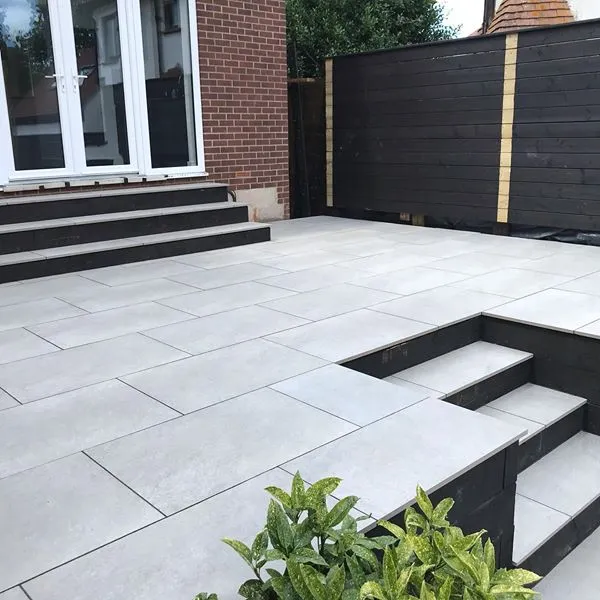
Porcelain Paving Herne Bay: A Practical Choice for Stylish Outdoor Spaces
Porcelain Paving Herne Bay homeowners can rely on offers a smart combination of attractive design, long-term durability and manageable maintenance. Whether you are creating a new patio, replacing tired concrete slabs or redesigning an entire garden, porcelain provides a clean and contemporary finish that works well with many property styles.
Available in a wide range of colours, patterns and textures, porcelain paving can resemble natural stone, timber or smooth architectural surfaces. This flexibility allows you to create an outdoor area that complements your home while providing a practical surface for dining, entertaining and everyday family use.
Why Choose Porcelain Paving Herne Bay Properties?
Porcelain paving is manufactured at extremely high temperatures, creating a dense and hard-wearing material. Its low water absorption helps it cope with rain, frost and changing temperatures, making it particularly suitable for outdoor areas exposed to the British weather.
Unlike some porous paving materials, porcelain is less likely to absorb spills, dirt or moisture. This makes it a useful choice for patios positioned near barbecues, outdoor kitchens and dining areas. Drinks, food and general garden debris can usually be cleaned away without leaving permanent marks, provided the surface is maintained correctly.
Porcelain is also consistent in thickness, colour and size. This can help create neat joints and an orderly finished appearance. For homeowners seeking sharp lines and a modern layout, large-format slabs can make smaller gardens feel more open and less cluttered.
Porcelain Paving Herne Bay Styles and Colours
One of the main advantages of porcelain is the variety of designs available. Grey paving remains popular for contemporary gardens, while beige, cream and warm stone shades can soften a space and complement traditional brickwork. Darker paving can create strong contrast against rendered walls, pale furniture and planted borders.
Stone-effect porcelain provides the character of natural materials with greater consistency between slabs. Wood-effect designs can introduce warmth without the regular sealing, staining or weathering associated with timber decking. There are also textured finishes designed to add visual interest and improve grip in outdoor settings.
Before choosing a colour, consider how the paving will look in both direct sunlight and shade. A slab can appear noticeably different outdoors compared with a showroom or computer screen. Samples allow you to compare options beside your walls, doors, fencing and existing garden features before placing a full order.
Planning the Right Patio Layout
A successful paving project begins with a clear plan. Think about how the finished space will be used, where furniture will sit and how people will move between the house, lawn and garden entrances. A practical layout should feel comfortable without creating narrow walkways or awkward unused corners.
The size of the slabs will influence the finished appearance. Larger tiles can create a spacious, streamlined effect, while smaller formats may suit detailed layouts or gardens with several levels and changes of direction. Porcelain can also be combined with setts, gravel, planting beds or contrasting borders to define separate areas.
Accurate measurements are essential, but it is sensible to order additional material for cuts, breakages and possible future repairs. Using slabs from the same production batch can also help maintain consistency across the finished installation.
Installing Porcelain Paving Herne Bay Gardens
Porcelain requires appropriate preparation and installation. The ground should be excavated and supported by a stable sub-base to reduce movement, sinking and cracking. Suitable falls must also be created so rainwater drains away from buildings rather than collecting across the patio.
Because porcelain has low water absorption, it normally requires a suitable bonding slurry applied to the back of each slab before laying. The correct mortar bed, jointing material and installation method should be selected for the product and site conditions. Cutting porcelain also requires suitable diamond blades and careful handling to achieve clean edges.
Although experienced homeowners may complete smaller projects themselves, professional installation is often worthwhile for larger patios, complicated layouts or areas with drainage challenges. Correct groundwork protects the investment and helps the paving retain its appearance for many years.
Cleaning and Maintaining Your Patio
Routine care is generally straightforward. Regular sweeping removes loose soil, leaves and grit before they build up around joints. For normal cleaning, warm water and a suitable porcelain cleaner can be used with a soft brush or mop.
Stubborn grime, installation residue or marks may require an intensive cleaner designed specifically for porcelain. Always follow the product instructions and test cleaning solutions on a small, discreet section first. Acidic or unsuitable chemicals may affect jointing compounds or nearby materials, even if the porcelain itself is resistant.
A porcelain protector may also be useful in areas exposed to frequent cooking, plant pots or heavy use. The exact maintenance products needed will depend on the paving finish and how the space is used.
Porcelain Paving Herne Bay Samples and Product Support
Seeing and handling a sample is one of the best ways to assess paving quality. Texture, surface detail and shade variation can be difficult to judge accurately from photographs alone. A full-size sample or large cut piece provides a clearer idea of how the product will look and feel in your garden.
UK Stone Imports Ltd offers porcelain paving in a broad selection of colours and styles, alongside natural sandstone, limestone, slate, setts and paving circles. Customers can also access complementary products such as porcelain cleaners, protectors, diamond cutting blades and professional jointing materials.
Creating a Complete Garden Design
Your paving does not need to cover the entire garden. Combining porcelain with lawn, decorative gravel and planted areas can create a more balanced and welcoming space. Contrasting setts can form borders, define pathways or separate a seating area from the rest of the garden.
A paving circle can provide a distinctive focal point for a table, fire pit, water feature or secluded seating area. Careful use of contrasting colours can add detail without making the overall scheme feel busy. The aim should be to create an outdoor space that suits your property and remains practical throughout the year.
Frequently Asked Questions
Is porcelain paving slippery when wet?
Outdoor porcelain is available with textured, slip-resistant finishes. Check the product specification and choose paving designed for external use, particularly around steps, entrances and frequently wet areas.
Does porcelain paving need sealing?
Porcelain generally does not require traditional sealing because it has very low water absorption. A specialist protector may still be helpful in areas exposed to grease, food, plant pots or heavy traffic.
Can porcelain paving withstand frost?
Quality outdoor porcelain is frost-resistant and suitable for the British climate. Correct installation, drainage and jointing are equally important for preventing weather-related problems.
Can I order samples before buying?
Yes. Samples allow you to compare colour, texture and quality at home before selecting paving for the full project.
Choosing Quality Paving for Your Project
Good paving should provide more than an attractive finish. It should suit the intended use, work with the surrounding property and remain practical to maintain. Taking time to compare samples, plan the layout and choose suitable installation materials can make a significant difference to the final result.
For quality porcelain and natural stone products, samples and practical support, contact UK Stone Imports Ltd to explore the available ranges and find materials suited to your next outdoor project.