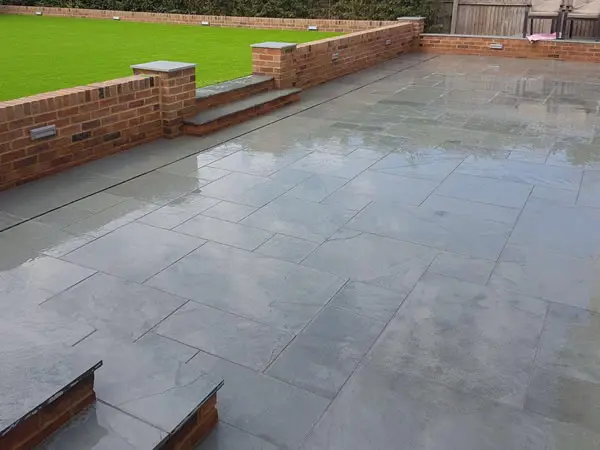
Patio Stone Paving Slabs In UK: Choosing the Right Surface for Your Garden
Patio Stone Paving Slabs In UK gardens need to combine appearance, durability and practical performance throughout changing weather conditions. Whether you are creating a new seating area, replacing tired concrete paving or redesigning the whole garden, the right slabs can make the space more welcoming and easier to use. UK Stone Imports Ltd supplies porcelain and natural stone products in a broad choice of colours, textures and formats, helping homeowners find paving that suits both traditional and contemporary properties.
Why Choose Patio Stone Paving Slabs In UK Gardens?
A well-laid patio provides a stable, attractive surface for dining, relaxing and entertaining. Unlike timber decking, quality paving does not require regular staining or painting, and it can retain its appearance for many years with suitable care. Stone and porcelain slabs also work well alongside lawns, planted borders, garden buildings and outdoor kitchens.
The best choice depends on how the patio will be used. A busy family garden may benefit from low-maintenance porcelain, while a period property may suit the natural variation of sandstone or limestone. Colour also matters. Lighter paving can brighten a shaded garden, while deeper greys and warm earthy tones can create definition in larger outdoor spaces.
Comparing Porcelain and Natural Stone
Porcelain paving is manufactured at high temperatures, producing a dense surface with low water absorption. This makes it resistant to staining, fading and frost. It is available in finishes that recreate the appearance of stone, concrete or timber while offering consistent sizing and colouring. For households wanting a clean, modern finish with straightforward maintenance, porcelain is often a practical option.
Natural stone has individual markings, tonal changes and textures created through geological processes. Sandstone offers warm colours and varied surface patterns, making it popular for relaxed garden designs. Limestone has a smoother, more consistent character and can complement both modern and traditional homes. Slate provides darker colouring and distinctive layers, while granite is valued for its strength and hard-wearing finish.
How to Select Patio Stone Paving Slabs In UK Properties
Begin by considering the style of the house and surrounding garden. Paving should complement the building rather than compete with it. A modern extension may suit large-format porcelain slabs with narrow joints, while an older cottage may look more natural with sandstone in mixed sizes.
Think carefully about practical details as well. Outdoor paving should have a suitable slip-resistant finish, particularly around steps, doors and areas exposed to regular rain. Check the slab thickness, recommended installation method and whether matching accessories are available. Coordinating setts, edging and circles can help define pathways, borders or feature areas without introducing an unrelated material.
Samples are useful because photographs cannot fully show texture, colour variation or surface finish. UK Stone Imports Ltd, based in Hersden near Canterbury, offers full-size or large cut samples across its ranges, allowing customers to see and feel the material before ordering.
Planning the Layout and Quantity
Measure the proposed patio carefully and allow extra material for cuts, breakages and future replacements. The amount of additional paving required will depend on the slab format and layout, but ordering from the same batch helps minimise noticeable colour differences. A scaled plan can also show where cuts will fall and whether changing the laying pattern could produce a neater result.
Consider drainage before installation begins. Patios should direct rainwater away from buildings and avoid creating areas where water can collect. Ground preparation, a stable sub-base and the correct bedding materials are essential for a durable finish. Natural stone may need sealing depending on the product and desired appearance, while porcelain requires appropriate primers and jointing products.
Maintaining Patio Stone Paving Slabs In UK Weather
Routine care usually involves sweeping away leaves and debris, followed by occasional washing with a suitable cleaner. Avoid using harsh chemicals unless they are approved for the paving material. Organic growth should be treated promptly, especially in shaded or damp areas, as it can make surfaces slippery.
Porcelain generally needs little maintenance because its dense surface resists moisture and staining. Natural stone may require periodic sealing to reduce absorption and protect against marks, although requirements vary between materials. Using compatible cleaners, protectors and jointing mortars helps preserve the paving without damaging its finish.
Adding Character with Setts and Stone Circles
Patio designs do not have to rely on one slab throughout. Setts can create borders, separate a lawn from a path or add contrast around a seating area. Their smaller size makes them useful for curves, detailed patterns and driveway edges.
Stone circles can form a focal point for a table, fire pit, water feature or secluded seating area. They can be matched with the main paving for a coordinated appearance or selected in a contrasting shade to create definition. Used carefully, these details can make a simple patio feel designed around the way the garden will be enjoyed.
Frequently Asked Questions
Which paving material is easiest to maintain?
Porcelain is usually the easiest option to maintain because it has low water absorption and strong resistance to stains, frost and fading. Regular sweeping and occasional cleaning are generally sufficient.
Is natural stone suitable for a modern garden?
Yes. Limestone, slate and carefully selected sandstone can all suit contemporary designs. Large slabs, simple laying patterns and restrained colours can give natural stone a clean, modern appearance.
Should I order paving samples first?
Samples are recommended because paving can look different in natural light than it does on a screen. They also allow you to assess texture, colour variation and how the surface feels underfoot.
Can patio paving be used for paths and driveways?
Many products can be used for paths, but driveway suitability depends on the material, thickness and installation specification. Always confirm the intended use before purchasing.
Finding Patio Stone Paving Slabs In UK Homes and Gardens
Choosing suitable paving is easier when you can compare materials, finishes and complementary products in one place. Established in 2007, UK Stone Imports Ltd supplies porcelain, sandstone, limestone, slate, granite, setts and circles from its base in Kent. For practical guidance, samples and quality paving sourced from around the world, contact the team to discuss the needs of your outdoor project.